Healing was nothing like I imagined. Initially, I thought I could picture exactly what healing would look like. Instead, it felt like someone took the perfect plan from my mind, shuffled it, and handed it back to me. That’s exactly what my healing journey felt like.
I expected relief, enlightenment, a sudden breakthrough. Instead, I experienced heightened confusion, grief, anger, regret, and small pockets of peace mixed in.
This post isn’t meant to tell you what healing should look like. It’s a raw and honest view of what healing truly felt like for me. My hope is that if you’re walking your own healing journey, you’ll feel a little less alone. If you’re looking for practical steps after reading my story, you may find my guide on How to Start Healing From Childhood Trauma helpful.
Content note: This post discusses childhood trauma, emotional pain, and my personal healing journey. While there are no graphic descriptions, some parts may feel emotionally difficult if you’ve experienced trauma yourself. Please read at your own pace and take breaks if you need them.

In This POST, I REFLECT ON:
- I thought healing would mean finally getting better
- Healing brought up emotions I didn’t know I had
- Progress didn’t look the way I expected
- The small changes are what mattered most
- Healing didn’t replace my past – it changed my relationship with it
- What healing feels like today
I Thought Healing Would Mean Finally Feeling Better
When I dreamt of my healing journey, I envisioned it as being similar to the dramatic effects in movies where something clicks in the protagonist’s mind, they have a sudden breakthrough, and everything makes sense. I genuinely felt like I would experience an epiphany, and once I hit it, any pain related to my abuse would disappear because I was now ‘healed.’ I believed that once I opened up and addressed my abuse, all the weight that was suffocating me would immediately be released, and I could then finally put my experience behind me. Healing felt like a destination, the last stop in the train ride. At the time, I believed the goal was to become the person I was before the abuse impacted my life.
What I didn’t expect was the process that it would take to even begin healing. The time it would take, the many nights I would spend after therapy replaying my sessions, the heightened emotions I would feel, were all unknown to me.
Once I began healing, I didn’t expect all the invisible ways I was changing. I eventually realized that the goal was never to ‘go back to the old me,’ but it was learning to cope in healthy ways without allowing my experiences to consume me, creating a safer version of my old self. Eventually, I realized healing wasn’t the last stop at all. It was the ride itself.
Healing Brought Up Emotions I Didn’t Know I Had
My healing journey didn’t bring forth an epiphany, but it did create enlightenment towards feelings I never knew I had. The most prominent emotion it brought up was sadness, not for me today, but for the child I was when my abuse occurred.
Healing allowed me to differentiate the adult version of me from the child version of me, and for the first time, I began to view her as two different people. Processing my abuse created indescribable amounts of guilt and shame, but viewing myself from a child’s lens created sadness for the little girl who experienced something she should have never gone through, and she had to do it all alone. It helped me realize how resilient and strong she was, because at an age where she should have been protected by her elders, she was finding ways to protect herself.
Healing created a form of love for myself that I never knew existed. It’s something I don’t think I could have found without beginning my healing journey.
I Was Comfortable in Discomfort
Healing showed me how comfortable I was sitting in unhealthy comfort. Prior to my healing journey, I was coping in unhealthy ways, such as suppressing memories, lashing out, and always trying to maintain control, which was slowly deteriorating my mental well-being. When I opened up about my story in therapy, I felt uncomfortable and frequently had thoughts of quitting and reverting back to my old avoidance techniques. I constantly found reasons to convince myself that therapy and this journey would only make things worse.
- “I lived 20+ years holding onto this secret…”
- “Everyone goes through hard times…”
- “Maybe therapy just isn’t for me.”
Healing really highlighted just how unhealthy my coping patterns had become. More importantly, it showed me how comfortable I’d become living in discomfort.
Progress Didn’t Look The Way I Expected
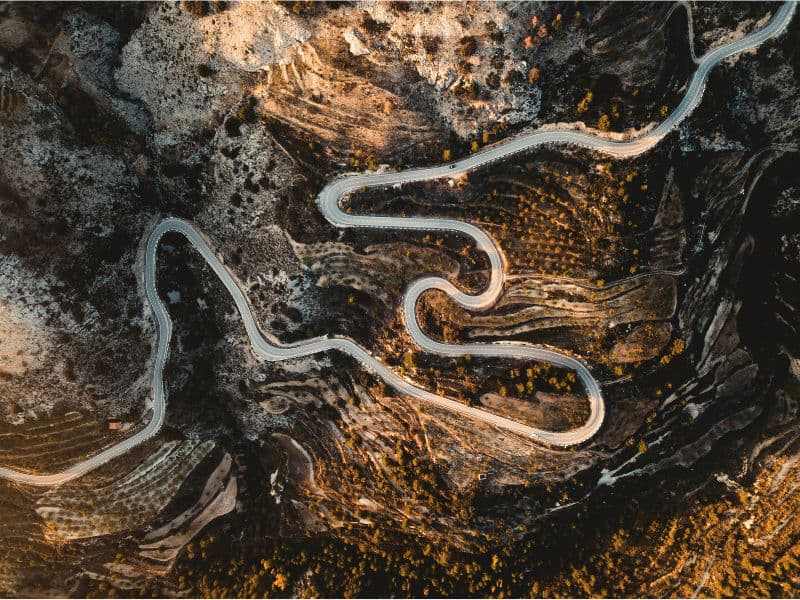
I truly believed that progress would look like a positive path forward. What I didn’t expect was the multiple loops, turns, setbacks, regressions, ebbs, and flows that I would experience, and still continue to experience today.
At first, healing looked like grogginess, amplified self-doubt, shame, chronic stress, heightened mood swings, and a constant pit in my stomach. I thought healing would immediately make me feel supported. Instead, I initially felt more isolated. I would open up about my abuse during my one-hour therapy session, then spend the next six days replaying the conversation in my head until my next session. Because I wasn’t ready to talk about therapy or my feelings with my loved ones, it felt like I had opened a can of worms that I had to deal with on my own. If you’ve never spoken about your experiences before, you may relate to my story about Why It Took Me So Long to Admit Abuse.
Healing was doing the exact opposite of what I’d spent years trying to do—it was actively searching for the hidden childhood memories I’d worked so hard to suppress. I didn’t realize how much of my identity and habits would have to change in order to truly heal. I was scared and grieved the old version of me, pre-therapy, that was just trying to protect me.
However, trusting the process and continuing my sessions regardless of my reservations truly paid off. You always hear people say things get worse before they get better, and I learned this first hand. I lived through periods of good weeks, followed by bad ones, and was always unsure of what emotions the day would bring. Over time, I began to notice significant changes in myself, both physically and mentally. Rather than following a straight, upward path, my healing journey has been full of ebbs and flows. But when I step back and look at it through a long-term lens, I can see that the overall direction has been upward (just not linear).
The Small Changes Are What Mattered Most
Healing, for me, happened slowly and silently. There wasn’t a sudden burst of happiness, or a single moment where everything felt different. Instead, small, subtle shifts created a sense of safety over time. Many times, I didn’t notice the positive changes until someone pointed them out or something happened that made me stop and realize how far I’d come.
Some of those subtle changes included:
- I felt like I could breathe more easily
- I slept more deeply and woke up feeling more rested
- I started enjoying the little things instead of focusing on the negative in everything
- I was finally able to name what happened to me as abuse
- I recognized my triggers sooner and instinctively used grounding and breathing techniques (I share the ones that helped me most in 5 Grounding Exercises That Help Me During Anxiety)
- I developed a sense of self-love and self-trust that I’d never experienced before
- My instinctive negative self-talk was gradually replaced with self-compassion
- Setting boundaries to protect my mental peace became second nature
- The word ‘no” became a complete sentence that was easier to say
- I actively sought therapy and even began using it to heal other areas of my life
On their own, each change looked and felt minor. But in accumulation, they completely transformed my mental well-being. Looking back, I’m amazed by how much changed before I even realized it was happening.
Even as I write this post and reflect on my journey, I’m surprised by how many positive changes had quietly taken place. I’m a different person than I was when I started healing—and I mean that in the most positive, hopeful, and loving way.
Healing Didn’t Erase My Past—It Changed My Relationship With It

Contrary to my initial beliefs, healing didn’t erase my past from my memory, nor did it create a space where I never have to think about my abuse again. What it did was allow myself to view my past from a different perspective. Where I once took responsibility for every single thing that happened in my life from childhood to adulthood, I now am able to understand that the responsibility for my childhood experiences lies with my elders and not with me.
Healing isn’t about forgetting or pretending my experiences didn’t happen. In fact, I now find myself thinking about my childhood memories more than I ever did. I’ve noticed that there are many gaps in my memories, many of which don’t have to do with my abuse. Where I once couldn’t acknowledge or think about any aspect of my childhood, I now find myself comfortable seeking answers from my loved ones to fill in some of these gaps.
My past will always be a chapter in my life story, and there is a good chance that I won’t go a day without thinking about it. I still get frequent triggers, but healing has allowed me to not be consumed by the negativity, and to focus on continuing to create positive memories for my future self. Overall, my view on my childhood and my relationship with little me has changed for the better.
What Healing Feels Like Today
Today, I don’t view myself as “fully healed.” Instead, I feel like I’ve reached a place where I can comfortably cope and live the life I want despite what happened to me. Rather than my abuse being part of my identity, it’s simply one chapter in my life’s story that I’m able to acknowledge and accept. After all, is it even possible to completely heal and forget about past experiences?
When I’m feeling overwhelmed, I’m now comfortable talking to loved ones and leaning on them for support. I’m able to have conversations with others who have shared experiences, and I genuinely want to use my story to help them heal from theirs. Even my mindset during stressful situations has changed. Instead of assuming the worst, I try to remind myself that anything can be resolved.
One of the biggest shifts in my healing has been learning to look for the silver lining in difficult situations. Don’t get me wrong, there is no part of me that believes that abuse should be seen as a positive. But knowing that I can use my story to help others, or recognizing that my experiences have shaped the way I want to raise my children in an open, non-judgemental environment, has weirdly brought me comfort. Today, when life feels overwhelming, I eventually find myself looking for something positive I can take away from the situation.
Final Thoughts on What Healing Actually Felt Like

Healing looked nothing like I imagined. It wasn’t a sudden breakthrough or a life-changing moment. Instead, it was hundreds of small, many times invisible moments where I slowly became the person I’d always dreamed of being: a more confident, self-loving person, who felt safe inside my own mind.
If you’re disappointed because healing doesn’t look the way you pictured, you’re probably not doing it wrong. And if you’re wondering where to begin, my guide on Healing From Childhood Sexual Abuse discusses small steps that helped me start my own journey. You are more than just your abuse, so keep going, and before you know it, you’ll be shocked at the progress you’ve made.
I still have difficult days. I still feel triggered, overwhelmed, and sometimes like my world is ending. But now I know these feelings are part of the journey, not the end of it.
While this post focused on what healing felt like day to day, one part I didn’t fully understand until much later was the unexpected grief that came with healing. I share more about that experience in The Grief No One Warned Me About During Healing.