
Mental health in the South Asian community is often overlooked, misunderstood, or dismissed altogether. Because mental health struggles are not always physical, they are frequently minimized or seen as a sign of weakness. As a result, many individuals do not receive the care and support they need, leading them to struggle in silence or rely on harmful coping mechanisms that can have long-term consequences.
Trauma and abuse can also affect mental health within cultural contexts. I discuss recovery in the post Healing From Childhood Sexual Abuse. Normalizing conversations around mental health within the South Asian community is not easy, but it is necessary. Creating awareness and understanding has the potential to change lives, especially for those who have felt unseen, unheard, or invalidated.
This post is for anyone within the South Asian community who has felt their mental health struggles were dismissed or minimized, despite belonging to a culture that is otherwise very supportive. The goal of this post is to explore why mental health continues to carry stigma, how cultural and generational factors play a role, and how we can begin opening safer conversations.
If you are struggling with your mental health and feel like you don’t have a supportive community, please know that you’re not alone. Your feelings are valid, your struggles matter, and you deserve care, understanding, and healing.
It’s important to acknowledge that everyone in the South Asian community is not the same. Cultural beliefs, family dynamics, and attitudes toward mental health vary widely across countries, religions, generations, and households. The experiences discussed in this post reflect common patterns many South Asians face, but they do not apply to everyone. My intention is not to criticize our culture, but to explore how certain norms can impact mental health so that healing and growth become more possible.

In This Guide, You’ll Learn:
- Cultural stigma around mental health in the South Asian community
- Family pressure and expectations
- Intergenerational trauma in South Asian families
- Mental health challenges for South Asian women and men
- The role of religion and spirituality in mental health
- Therapy and barriers to seeking help
- Signs of mental health struggles in South Asians
- Breaking cycles and promoting healing
- Strength and resilience in the South Asian community
Understanding Mental Health in the South Asian Community
Mental health in the South Asian community is shaped by cultural stigmas, family expectations and generational experiences. Understanding these issues can help explain why many survivors struggle silently and why conversations around mental health remain difficult.
Cultural Stigma Around Mental Health

One of the reasons mental heath is stigmatized in the South Asian community is a lack of education and understanding. Many individuals grow up internalizing existing beliefs without being exposed to accurate information about mental health. These stigmas often stem from fear, misunderstanding, and societal norms. I explore this topic in the post Cultural Stigma in the South Asian Community.
Common cultural stigmas surrounding mental health include:
- Mental health struggles are seen as a sign of weakness
- Mental issues is something that should be hidden to protect family reputation
- Seeking help is viewed as unnecessary or shameful
- Emotional distress is dismissed as overthinking or lack of gratitude
According to the Canadian Centre of Integrative Psychology, mental health struggles are associated with personal failures, which may prevent survivors from seeking the support they need. In many South Asian households, emotional pain is minimized with statements such as “think positive thoughts,” “be grateful for what you have,” or “just don’t think about it.” While often well-intentioned, these responses invalidate real struggles and discourage individuals from seeking help.
It is important to understand that struggling with mental health is not a sign of weakness. Acknowledging pain and seeking support takes courage and strength.
Family Pressure, Expectation, and Conditional Love

From a young age, many South Asian children are raised with high expectations surrounding academic success, career choices, and social behaviour. Professional paths such as medicine, engineering, law or finance are often prioritized, and children may feel pressure to meet these expectations to gain approval and validation.
Beyond academics, there are strong expectations related to marriage, gender roles, and family responsibilities. Women may be expected to marry by a certain age and take on the majority of caregiving and household duties, while men are often expected to be providers who suppress emotional vulnerability.
In many South Asian households, there is an expectation to behave in ways that protect the family’s reputation. Because reputation is highly valued, anything that could bring shame or negative attention is often kept private. Mental health struggles can fall into this category, leading individuals to suppress their emotions rather than seek support. This need to protect my family’s reputation was one of the reasons Why It Took Me So Long to Admit It Was Abuse.
In many households, love and affection can feel conditional where love is offered when expectations are met and withdrawn when they are not. Over time, this teaches children that their worth is tied to obedience and achievement rather than emotional wellbeing. This may lead to long term implications including anxiety, perfectionism, and fear of failure.
Intergenerational Trauma in South Asian Families
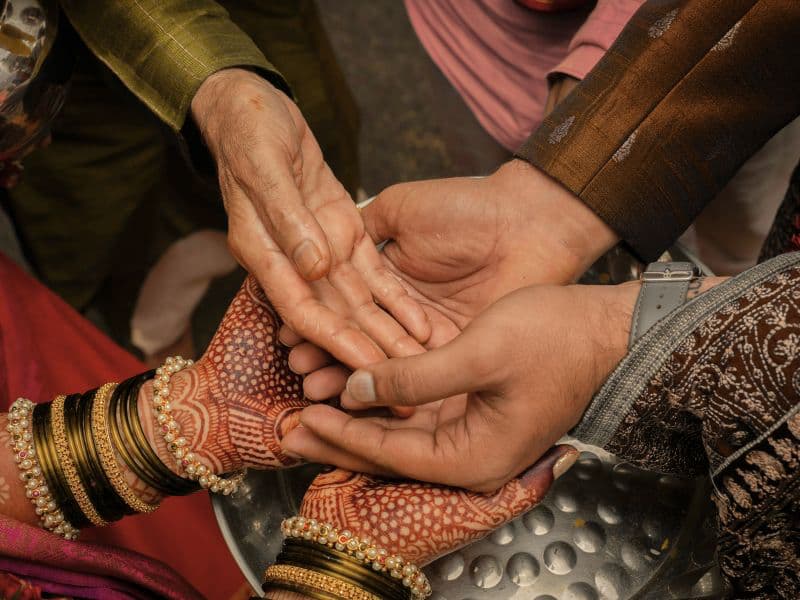
Intergenerational trauma refers to the transmission of unresolved trauma, emotional patterns, and coping mechanisms from one generation to the next through parenting approaches and modelling. In many South Asian families, previous generations experienced war, displacement, poverty, or intense pressure to survive and succeed.
Because emotional expression and mental health were not prioritized, many parents learned to suppress their struggles and pass those coping mechanisms onto their children. This survival focused parenting prioritized resilience, discipline and achievement, often at the expense of emotional well-being and communication, potentially leading to further spirals of anxiety, depression, PTSD etc. A study published through the National Institutes of Health found a correlation between intergenerational trauma and depression.
While these approaches were rooted in protection and survival, they can make it difficult for younger generations to seek help or express vulnerability, reinforcing cycles of silence and emotional suppression.
Mental Health in South Asian Women
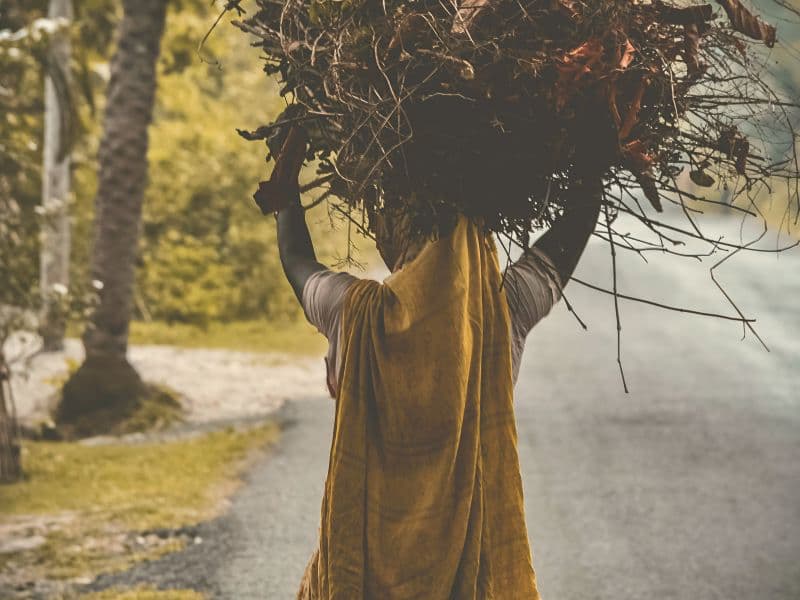
South Asian women are often expected to be nurturers and primary caregivers for their families. They are frequently expected to be obedient, self sacrificing, and accommodating, with their worth tied to how well they care for others.
Setting boundaries or expressing emotional needs can lead to criticism, labeling women as difficult, outspoken, or selfish. Many women carry the pressure of maintaining a “perfect” family image while balancing work, caregiving, and cultural expectation.
Over time, these pressures can contribute to anxiety, depression, burnout, and feelings of loneliness. Without culturally normalized coping tools or support systems, many women struggle silently, believing their distress is simply part of life rather than something that needs support.
Mental Health in South Asian Men
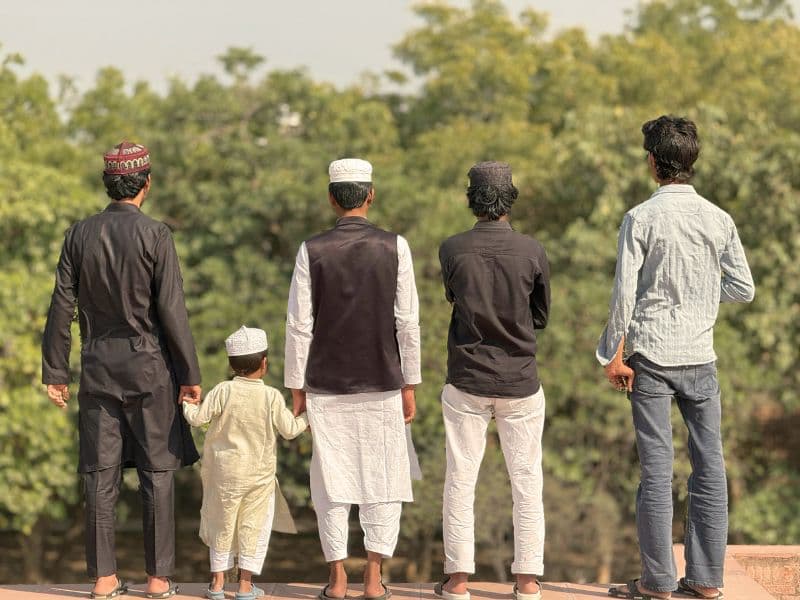
Mental health among South Asian men remains significantly under discussed. Men are often expected to be strong and emotionally reserved, with vulnerability seen as a weakness. Emotional expression is discouraged, and distress may be met with ridicule or dismissal.
As a result, many men suppress their emotions and cope through overworking, substance use, or anger rather than openly expressing sadness or anxiety. Mental health struggles may go unnoticed, even by close family members, leading men to suffer in silence.
Religion, Spirituality, and Mental Health

Religion and spirituality play an important role in many South Asian households. For many South Asians, religion can be a pillar of strength in supporting mental health. Practices such as prayer, fasting, meditation, and rituals can provide comfort and meaning for some individuals.
However, mental health struggles are sometimes seen as a lack of faith, punishment for sin, or something that can be resolved solely through increased religious devotion. While spirituality can support wellbeing, relying on faith alone can prevent individuals from seeking professional mental health care.
It’s possible to honour faith while also acknowledging mental health as a medical and psychological concern. Healing does not have a one size fits all solution, and for many people, a combination of spiritual practices and mental health support can coexist.
Therapy in the South Asian Community

Therapy is often discouraged in South Asian communities and misunderstood as unnecessary, shameful, or a sign of personal failure. There is also fear around discussing family matters with outsiders, where the fear of being judged overpowers the benefits that therapy can bring to an individual.
Beginning therapy can be difficult when it’s not considered an acceptable method of healing. It’s easier to sit in silence than to go against the grain and do something that you know will not be approved. Concerns about cultural differences/misunderstanding, language barriers, and judgment prevents individuals from using therapy. Despite these challenges, therapy can be a powerful tool for healing.
If you’re unsure whether therapy is right for you, I explore that more deeply in the post Therapy: Is It For You?
Open conversations about therapy are essential to breaking stigma and creating paths to support.
Childhood Trauma and Abuse
Childhood trauma and abuse remain taboo topics within many South Asian families. Children are often taught to respect elders without question, which can make it difficult to recognize or report abuse.
Fear based parenting, emotional invalidation, and physical punishment have historically been normalized, despite their long term psychological impacts. This, in turn, taught children to stay silent. If they didn’t speak up about something that felt wrong, they believed they could avoid punishment for something they may have already blamed themselves for. Addressing trauma requires acknowledging these issues while creating safe spaces for children to express themselves without fear or shame.
Signs of Mental Health Struggles in South Asians
Mental health struggles in South Asians often present in subtle or internalized ways rather than “out there” expressions. Recognizing these signs is an important step toward seeking support
Common Signs of Mental Health Struggles
- Chronic insomnia or fatigue
- Headaches, stomach pains, or unexplained body pains
- Emotional numbness or withdrawal
- Depression, anxiety, or persistent guilt
- People pleasing and fear of conflict
- Intrusive thoughts related to trauma
- Suppressing emotions or shutting down
- Loss of appetite
Healing, Awareness & Breaking the Cycle

Breaking cycles of stigma begins with awareness. This does not require sharing every detail of personal trauma, but it does involve acknowledging emotional struggles and advocating for mental wellbeing.
Small steps such as setting boundaries, having honest conversations, seeking therapy, and raising emotionally aware children can create significant change. Healing does not mean rejecting culture; it means choosing growth and compassion within it.
Raising awareness and breaking the cycle doesn’t require extreme changes. Small daily changes can make a big difference too. The cycle of silence surrounding mental health in the South Asian community can end with us.
Strength and Resilience Within Our Community
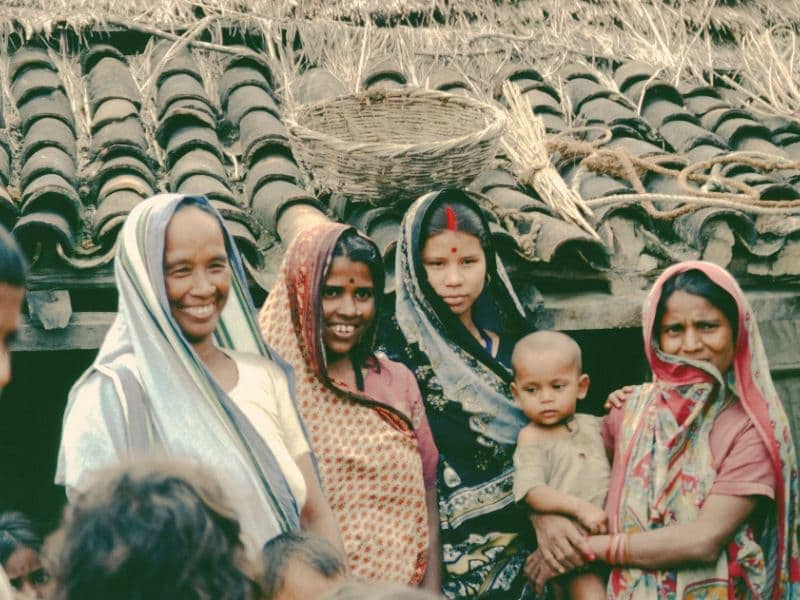
The South Asian community is very resilient. Many families have endured circumstances that no one should have to witness including war, displacement, migration, and economic hardship. Despite this, we have formed a community that is known for perseverance, adaptability, and strength.
Family bonds are central within the South Asian community. Children, no matter their age, are often reminded that their parental home will always be available as a place of belonging. Community extends beyond blood relation, and newcomers are welcomed and treated like family. Family isn’t just blood, it’s all of those around us.
We also place strong value on helping others. Support is often offered without hesitation, even between people who have just met.
Celebrating success is another characteristic of South Asian culture. When one person succeeds, it is often felt like a shared accomplishment. We are a selfless group and truly want the best for our community as a whole.
While conversations about mental health in the South Asian community are important, it is just as important to acknowledge the strength that makes us who we are.
Final Thoughts on Mental Health in the South Asian Community

Mental health in the South Asian community is a complex issue shaped by cultural stigma, family pressures, intergenerational trauma, and culture. While these challenges make it difficult for survivors to seek help, normalizing conversations around mental health are necessary. Change can happen through awareness, open conversation and education.
As conversations surrounding mental health become more widely understood and acknowledged, our community can continue moving forward on a more compassionate and supportive path.
Frequently Asked Questions
Why is mental health taboo in the South Asian community?
Mental health is often considered taboo in the South Asian community because it can be seen as a threat to family reputation, a sign of weakness, or something that should be handled privately. In many households, mental health struggles are not viewed as medical conditions but rather as personal weaknesses or spiritual shortcomings.
A lack of open discussion and education around mental health has contributed to long-standing stigma. As a result, many South Asians grow up without the ability to understand emotional distress, making it difficult to seek help or take mental health concerns seriously.
Do South Asians experience mental health issues differently?
In many cases, yes. Cultural values within South Asian communities, such as maintaining reputation, prioritizing family expectations, and avoiding conflict, can shape how mental health struggles are expressed and managed.
For example, individuals may suppress emotions, minimize their struggles, or prioritize societal expectations over their own well-being. This can limit access to effective coping strategies. Untreated conditions from mental health can have long-term consequences.
Is therapy acceptable in South Asian families?
Therapy is gradually becoming more accepted in South Asian households, particularly among younger generations. However, stigma still exists in many families.
Older generations may view therapy as a personal failure, unnecessary, or as “airing dirty laundry” outside the family. Some families emphasize prayer, or keeping issues private instead of seeking professional support.
As conversations about mental health become more normalized, therapy and other coping tools are increasingly recognized as valid and helpful forms of healing.
How does culture affect mental health?
Culture plays a significant role in shaping beliefs about mental health and emotional expression. In South Asian communities, values such as respect for elders, and maintaining family harmony can influence how individuals process and respond to mental health issues.
When mental health struggles are minimized or misunderstood, individuals may feel pressure to remain silent. This can lead to delayed support, internalized shame, and worsening symptoms over time.
How can South Asians heal generational trauma?
Healing generational trauma within the South Asian community begins with awareness and open conversation. Naming harmful patterns, setting boundaries, and acknowledging emotional needs are important first steps.
Breaking cycles also involves creating safer environments for future generations, encouraging emotional expression, validating mental health struggles, and normalizing professional support when needed. While healing generational trauma is challenging, it is possible through change and community support.
–